Archive for the ‘Safety’ Category

Mar
27

The Safest Products for Your Baby’s Bedroom

March 27th, 2013 by Rainbow International

Keeping a newborn or infant safe is important for new parents. There are many products that can be used in a baby’s bedroom that can keep them safe and secure. Review a few of the options available that will help keep a baby’s bedroom safe.

Walls and Windows

The walls in a baby’s bedroom are a source of injury if steps are not taken to keep a baby safe. You will need to install safety covers on any outlets that are within reach of an infant. Make sure to cover outlets that are behind a crib. This is important as you move the mattress lower. Window guards will also need to be installed on all your windows. These are designed to cover a window when it is open to prevent a child from climbing and pushing on the screen.

Lighting and Furniture

Floor lamps should not be used in a baby’s room due to tripping hazards from electrical cords. You can easily use a desk lamp that is specifically designed for a nursery. Look for lamps that have a short cord or run on batteries. A zip tie can be used to secure long electrical cords. If you have any furniture using a hinge, then attach hinge guards. These can also be installed on closet doors. Secure the furniture used in a baby’s room with a baby furniture anchor.

Cribs for Baby

New cribs that are made today need to meet safety standards set by the CPSC. If your crib is older than 10 years, then a new crib should be purchased to use in a baby’s room. This will ensure that you have a crib that is meeting current safety standards. You should not use cribs that are handed down even if it is well-made and will save money. The safety of your child needs to be considered first. One thing you should know about old cribs is that drop-side models are not considered safe. New cribs may also have bumpers that can be attached around the perimeter. Most new cribs have the option to convert into a bed when a child gets older.

The Crib Mattress

The mattress used in a baby’s crib needs to have a snug fit and be firm. A firm fit is necessary as a baby should not be able to get trapped between the mattress and the side of the crib. Make sure to leave your crib at the highest mattress setting for a new-born. You have the option to choose a mattress that is made with foam or has springs. The type of mattress to purchase is based on preference. Newer mattresses to use with a crib are made with non-toxic materials. Avoid purchasing a used mattress.

Crib Accessories

Cribs for use in a baby’s room can have many types of accessories. Two types of accessories that can be used with a crib are lamb’s wool pads and cashmere blankets. A lamb’s wool pad is a baby product made for any mattress that provides comfort during the winter and throughout the summer. One reason to use a lamb’s wool pad is because the material resists the growth of bacteria and dust mites. A blanket that is made of cashmere is that it is a breathable material. This means a cashmere blanket can be used in cold and hot weather to keep a baby comfortable.

Toy Boxes

Toy boxes that are purchased today are designed to meet new safety standards. They are designed to be child-safe and use non-toxic materials. If you have an old toy box, then you may want to get a new one that you know is safe for your child. New toy boxes have a cut-out on each side for ventilation and will not have a lock. You can easily convert an old toy box to make it child-safe to save money. Make sure that a toy box used in a baby’s room has a lightweight lid that can be easily opened.

Additional Information

You should also install a smoke alarm and carbon monoxide detector in a baby’s room. This is to ensure there is an extra layer of protection in the event of an emergency. However, you will need to have smoke detectors and carbon monoxide detectors in other areas of your home.

This article was supplied by www.naturalmat.co.uk, specialists in organic baby products.

Mar
13

How to Stay Safe During DIY

March 13th, 2013 by Rainbow International

DIY projects that are done around the home require a safety first approach. This needs to be the number one concern as many jobs around the home can have the potential for injury. Keeping safe performing a DIY project can be done by reviewing a few safety tips for any type or project.

No Open Toed Shoes

Always wear a set of construction boots or a pair of steel-toed shoes when working on any project with heavy objects. The steel inserts in construction boots are designed to protect your toes from objects that are heavy enough to cause injury. If you do not have a pair of construction boots, then wear hiking boots or another type of heavy work boot.

Protect Your Hands

Wear gloves to protect your hands from stains and injury. Jersey gloves are a good choice if you have a painting job to complete. Gloves will also help to protect the hands from blisters. Heavy gloves need to be worn when working around open flames or any objects that are extremely hot. You can find a variety of glove choices at a local home improvement store.

Wear Eye Protection

Any type of work with wood or metal requires wearing eye protection. This includes goggles or glasses to protect your eyes from fragments flying through the air. You should also wear a face shield to protect against sparks when grinding metals. Eye protection can be found at a hardware store or from any local home improvement center. Eye protection should be second nature when working on any project. Make sure to look for eye protection that fits tight to your face.

No Loose Hair

Loose hair can easily get caught in machinery used in a workshop or for a DIY project. You can tuck any loose hair under a hot or keep is tucked under a shirt. Make sure that no loose clothing is being worn as it can also get caught in machinery and power tools. Shirts can have no sleeves or have buttons that are on the cuffs to keep them secure.

Provide Enough Light

Working in dimly lighted areas can be dangerous if there is any risk of falling or other injury. You need to illuminate a work area with strong lighting, such as construction floodlights. Another option is to use hand lighting from the ceiling or use any type of portable light. Look for lighting option at a local home improvement store.

Protect Your Lungs

Fumes from paint and debris from sanding are hazards to your health. You need to have a dusk mask or respirator on hand for any projects that involve chemicals or sanding equipment. A dust mask is a good choice for a DIY project and can be found at a home improvement center or local hardware store.

Create a Breeze

Fumes from chemicals and paint need to be ventilated from any inside room. You can easily ventilate a room by opening a window or door and setting up a box fan. If you are working inside or any area with no windows or doors, then take a break every few minutes to breathe a bit of fresh air. This is important if you start to feel dizzy or lightheaded when working on a project.

Respect the Ladder

Ladders need to be set up properly and kept stable. Do not go up a ladder if it is not sitting on a surface that is level. Avoid the top two rungs of an extension ladder as it will be unstable. A-frame ladders need to be locked in place and extension ladders should have a second person holding it in place.

Protecting the Floors

DIY projects that require working over a finished floor will require floor protecting film. This film will be used to protect the floor from liquids, such as paint, or falling debris. If there is a risk of slipping on the floor, then set up anti-slip mats. This is a good option for a garage if oil is present.

Protect Against Fire

A fire extinguisher should be on hand when working with sparking metal, open flame, or any tools that can create heat. You should also have a first-aid kit on hand to treat any burns, cuts, or other injury that may occur during a DIY project.

This article was supplied by www.cobaeurope.com, UK-based experts in flooring.

Mar
6

Candle Soot Claims: Part One

March 6th, 2013 by Rainbow International

Insurance and commercial property management companies have noted an increase in claims due to black spot stains on ceilings, walls, furniture, contents and HVAC filters from previously unidentified sources. The mystery is solved though! The problem is referred to as “black soot deposition” (BSD) and, as research indicates, a common household decorative item frequently causes it.

There is no evidence of a sudden or accidental source for BSD, like malfunctioning furnaces, gas water heaters, cigarette smoke or cooking by-products. Until recently, there was little compelling evidence to assign proper blame for the source of BSD. Tests have confirmed, however, the primary culprits are very possibly decorative scented candles.

Low quality candles are often to blame

Research indicates increased BSD is often the result of candle manufacturers adding additional fragrance oils to their products, along with improper wick trimming by customers. Many fragrance oils are not suitable for combustion and do not burn cleanly. It also appears many amateur candle-makers have entered the expanding market to capitalize on the current popularity of candles without proper training or experience.  The outcome is an abundance of low-quality candles burning in many homes and a corresponding increase in the frequency of indoor soot deposits.

Potential dangers to structure and health

The number of aromatic candle manufacturers, professional and amateur, grows each year. Many companies introduce candles to their product line without the knowledge necessary to produce a safe and clean-burning product. According to J. David Krause’s thesis, “Characterization of Scented Candle Emissions and Associated Public Health Risks,” chemical testing provides conclusive evidence that emissions from some burning candles contain more than 20 volatile organic compounds, lead and a significant amount of carbon.

Burning scented candles inside homes, apartments and commercial buildings can present serious health hazards to those living and working there. It can also mean damage to ventilation systems, furnishings and contents. Evidence suggests breathing even one micron of soot can be hazardous. It has been determined that breathing particulate matter, 2.5 microns or smaller, is detrimental to human health, and these particles are dangerous because they are inhaled deeply into the lungs, causing irritation and respiratory problems. The Environmental Protection Agency (EPA) and American Lung Association (ALA) says those most at risk include people with heart or lung disease, children and the elderly.

Feb
26

How To Neutralize Skunk Odor

February 26th, 2013 by Rainbow International

Whew! What’s that smell? Is it you? No, can’t be. You smell like a skunk! Ever heard these words before? Hopefully you haven’t, but chances are you know at least one person that has or maybe you or your pet was sprayed. Regardless, you know how strong skunk odor is and just how difficult it is to get rid of.

You may never have a need for the following information; however, you might want to keep it around just in case.

Using tomato juice to remove skunk odor is an old wives’ tale that just does not work. Tomato juice only seems to work because at high doses of skunk spray the human nose quits smelling the odor (olfactory fatigue). When this happens, the tomato juice odor is the only detectable smell.

A person suffering olfactory fatigue to skunk spray will swear that the skunk odor is gone and was neutralized by the tomato juice. However, seek a second opinion! Asking someone else to take a whiff will readily confirm the tomato juice has not neutralized the skunk spray.

If your home has been skunked, or a pet has brought in the skunk smell, wash all sprayed clothes and fabrics immediately. The good news is that the odor will eventually go away, but may take several weeks.

To remove the scent, Rainbow International® Restoration and Cleaning recommends cleaning the area with a direct spray contamination containing a mixture of 3 percent hydrogen peroxide (one quart) with ¼ cup baking soda and one teaspoon of liquid soap or dishwashing detergent if the affected area is durable and colorfast.

Treating fabrics with an additional mixture before your regular laundry detergent may help as well, and household cleaning sprays and products like Febreeze can be effective against skunk smell on furniture.

For buildings, decks, etc., we suggest using a solution of liquid laundry Clorox® bleach, 1 cup of bleach per gallon of water will work. CAUTION – THIS MAY BLEACH THE BUILDINGS, DECKS, ETC. Try it on a small area if bleaching may be a problem.

The bleach must come in contact with the spot where the secretion was sprayed, and repeated applications may be necessary for large amounts of skunk spray. It will not work for skunk spray that has drifted over a large area or is trapped in a house. Time and adequate ventilation will help in this case. PLEASE DO NOT USE THIS ON PETS.

If home remedies aren’t working you might consider contacting a professional restoration firm that should be able to expedite the odor removal.

Jan
30

What Kills a Water Heater and How to Increase Its Longevity

January 30th, 2013 by Rainbow International

Several elements factor into the possible demise of your water heater.  Neglect, rust, sediment buildup and high water pressure can all affect the effectiveness of your unit.

Your water heater should be checked annually for signs of corrosion, leaks, and external rust.  A quick check-up could save you thousands of dollars in repairs and replacement.

Scale, the sediment that builds up when water is heated, coats the bottom of the tank, causing it to heat up and melt away the protective glass lining.  Take the time to have your water heater checked by a professional to ensure an efficient, effective water heater for your home.

Many homeowners do not think of high water pressure when installing a new water heater.  However, this silent assassin could cause many problems down the line.  Check the water pressure gauge quarterly ensuring it maintains a safe psi pressure, in accordance to manufacturer guidelines.

Helpful tip: Add insulation to your water heater.  This allows the water to stay warmer, longer, thus eradicating the need for the heater to work overtime.  Flushing the tank and checking the anode rod annually (with the help of a professional plumber,) will increase the lifespan of your water heater.

Nov
2

Expert Tips for Hurricane Sandy Recovery, Future Emergency Preparation

November 2nd, 2012 by Rainbow International

With more than eight million Americans without power and 38 people reported dead in the U.S. from the super storm so far, Hurricane Sandy has homeowners in desperate need of service and repair.

“It’s important for those affected by the devastation to take action and begin clean-up efforts to keep from causing additional damage,” said Rainbow International® President Rob White.

If your home has experienced damage from Hurricane Sandy, consider the following tips from service experts Rainbow International, Mr. Electric® and Glass Doctor®:

  • Turn off the breaker in the damaged area before you unplug or remove any electrical devices located near wet carpet.
  • Place aluminum foil under the legs of any furniture in contact with wet carpet to prevent stains on the carpet.
  • Remove books, shoes, paper goods, fabrics, potted plants, and other items from the floor to prevent stains.
  • Don’t use a vacuum, since electrical shock may result.

Take a proactive stance and make sure your home or business is ready for the next storm. Hurricane Sandy serves as an example of the importance of storm preparation. Utilize the following to begin your emergency planning:

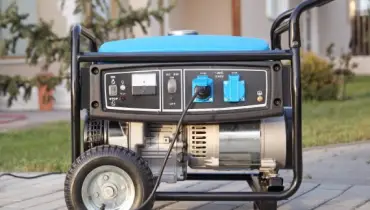
  • Contact a certified electrician to perform a generator consultation.
  • Store enough non-perishable food and water for two weeks.
  • Secure windows with plywood panels or call Glass Doctor to board up your windows prior to the storm.
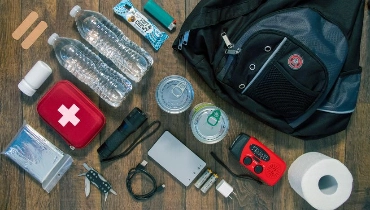
  • Have an Emergency Storm Kit stocked with a first aid kit, flashlights, batteries and a radio.

By taking precautions today, your home and family will be protected from future storms. For more information, visit www.dwyergroup.com.

Oct
26

Protecting Your Home Before and After Hurricane Sandy

October 26th, 2012 by Rainbow International

Did you know that Rainbow International® does more than just water, fire, and smoke restoration? We also offer services that are helpful in preparation for disasters like hurricanes. At Rainbow, we are not only there for our customers after a disaster has occurred, but we also try to be there in advance so we can help prevent any damage from occurring.

Some pre-disaster services we provide are as follows:

  • Boarding up windows
  • Preventing leaks by putting tarps over roofing
  • 24-hour emergency service
  • All work performed by certified, professional and courteous technicians

If your home has experienced water damage from Hurricane Sandy, it is important that you locate a water damage repair company that is well trained and has the equipment to completely dry your home as quickly as possible.

Water damage is progressive and items that could be restored within the first 48 hours of the water damage may not be restored if emergency response is delayed. Although you might be tempted to use a shop vacuum or call a company that only has equipment to dry carpet, you should consider that water will wick up walls and travel under base molding and sill plates. It will penetrate through floor coverings into sub-floors, even causing water damage in rooms below.

In the event of water damage, do the following:

  • Stay calm! Call Rainbow International.
  • Turn off the breaker in the damaged area before you unplug or remove any electrical devices located on the wet carpet.
  • Place aluminum foil under the legs of any furniture, which is in contact with wet carpet. This might help prevent furniture stains on your carpet.
  • Lift draperies away from wet carpet.
  • Pin up upholstered furniture skirts which may get wet.
  • Remove books, shoes, paper goods, fabrics, potted plants, and other items, which may stain wet carpet.

Do not attempt the following:

  • Don’t use your home vacuum, since electrical shock may result, as well as certain damage to the equipment itself.
  • Don’t place newspaper in traffic areas to walk on, since newspaper ink transfers easily to the wet carpet fibers and may result in permanent staining.
  • Don’t walk on carpet any more than necessary. This will keep the damage from spreading to unaffected areas.
Oct
12

Rainbow International and Waco Fire Station #11 Promote National Fire Prevention Week

October 12th, 2012 by Rainbow International

The job of a firefighter is very serious and often hazardous. Everyday firefighters put their lives on the line to keep their communities safe. In honor of Fire Prevention Month we took a trip to our local fire station to bring cupcakes, check out the station and let the firefighters know just how much we really appreciate them.

After visiting we realized just how awesome our firefighters truly are. They make sacrifices to protect our homes and families, and provide emergency services without a second thought. These acts of courage and compassion should not go unnoticed! Support your local fire station and the brave men and women who prevent and lessen the impact of tragedies from happening in the future.

Thank you to our local firefighters and all of those around the world who keep us safe!

Sep
19

Minneapolis Insurance Agents Attend “Fungus Amongus” Continuing Education Class

September 19th, 2012 by Rainbow International

Local insurance agents learned about fungal remediation practices and guidelines during continuing education (CE) training by Rainbow International of Twin Cities North owned by Brian McNallan.

More than 30 people attended the class, which was taught by Ron Clawson, System Sales Manager. CE class credits are required every two years for agents to keep their licenses.

“Our presentation is designed to teach attendees about fungus and mold development, and how it affects the repair process and the health of the occupants,” Clawson said.

Clawson gave an overview on what fungus is and how to identify it, provided information on how to reduce the cost of a loss from fungi (mold) contamination that results from water damage, and discussed the latest in regulations and industry standards.

For more information about CE classes or cleaning and restoration services, contact Rainbow International at (888) 426-3533 or visit http://www.rainbowintl.com.

Aug
30

Our Experts Can Help in the Event of Water Damage from Hurricane Isaac

August 30th, 2012 by Rainbow International

If your home has experienced water damage from Hurricane Isaac, it is important that you locate a water damage repair company that is well trained and has the equipment to completely dry your home as quickly as possible.

Water damage is progressive and items that could be restored within the first 48 hours of the water damage may not be restored if emergency response is delayed. Although you might be tempted to use a shop vacuum or call a company that only has equipment to dry carpet, you should consider that water will wick up walls and travel under base molding and sill plates. It will penetrate through floor coverings into sub-floors, even causing water damage in rooms below.

In addition, if humidity inside the structure is not controlled, items that were not damaged from the original water damage could be damaged as a result of absorbing moisture from the air. Structures that are not dried out quickly and properly can become a food source for mold growth, which may require professional mold removal.

Rainbow International® Water Restoration Service Professionals are trained on current procedures, such as Rapid Structural Drying, to dry your entire structure as quickly as possible, using state-of-the-art equipment and technology. Moisture meters are used to locate moisture that may not be visible or may be hidden behind walls or cabinets, so that our Water Restoration Service Professionals can ensure that all wet materials are dry. Because we understand how important it is to react quickly in the unfortunate event of water damage, you can rely on Rainbow International to provide emergency response and quick professional service 24-hours a day.

In the event of water damage, do the following:

  • Stay calm! Call Rainbow International.
  • Turn off the breaker in the damaged area before you unplug or remove any electrical devices located on the wet carpet.
  • Place aluminum foil under the legs of any furniture, which is in contact with wet carpet. This might help prevent furniture stains on your carpet.
  • Lift draperies away from wet carpet.
  • Pin up upholstered furniture skirts which may get wet.
  • Remove books, shoes, paper goods, fabrics, potted plants, and other items, which may stain wet carpet.

Do not attempt the following:

  • Don’t use your home vacuum, since electrical shock may result, as well as certain damage to the equipment itself.
  • Don’t place newspaper in traffic areas to walk on, since newspaper ink transfers easily to the wet carpet fibers and may result in permanent staining.
  • Don’t walk on carpet any more than necessary. This will keep the damage from spreading to unaffected areas.